

The POLSTR reform requires updates to financial models, cost-of-debt assumptions and transaction settlement mechanisms. Properly reflecting these changes in DCF analyses, due diligence and SPAs mitigates risk and protects transaction value for both parties.

Talent shortages can slow business growth. Learn when acquiring a skilled team is more effective than recruitment, how to value expertise, retain specialists, and plan successful post-deal integration.

Net profit and EBITDA do not always reflect a company’s real condition. Quality of financial results analysis reveals the sources of profitability, cash flow stability, margins, customers, products, hidden costs, and working capital across consecutive periods.

An earn-out in a company sale makes it possible to link the purchase price of the shares to the company’s future performance. Find out when it works, what risks it entails, and how to protect the parties’ interests.

A company sale does not finalize with agreeing and signing an LOI. Learn how to avoid post–due diligence renegotiations and maintain negotiating leverage through to transaction closing.

In M&A transactions, the key terms are agreed long before you see the sale agreement. Discover where and when the decisions are truly made that shape valuation, risk allocation, and your negotiating position with the investor.
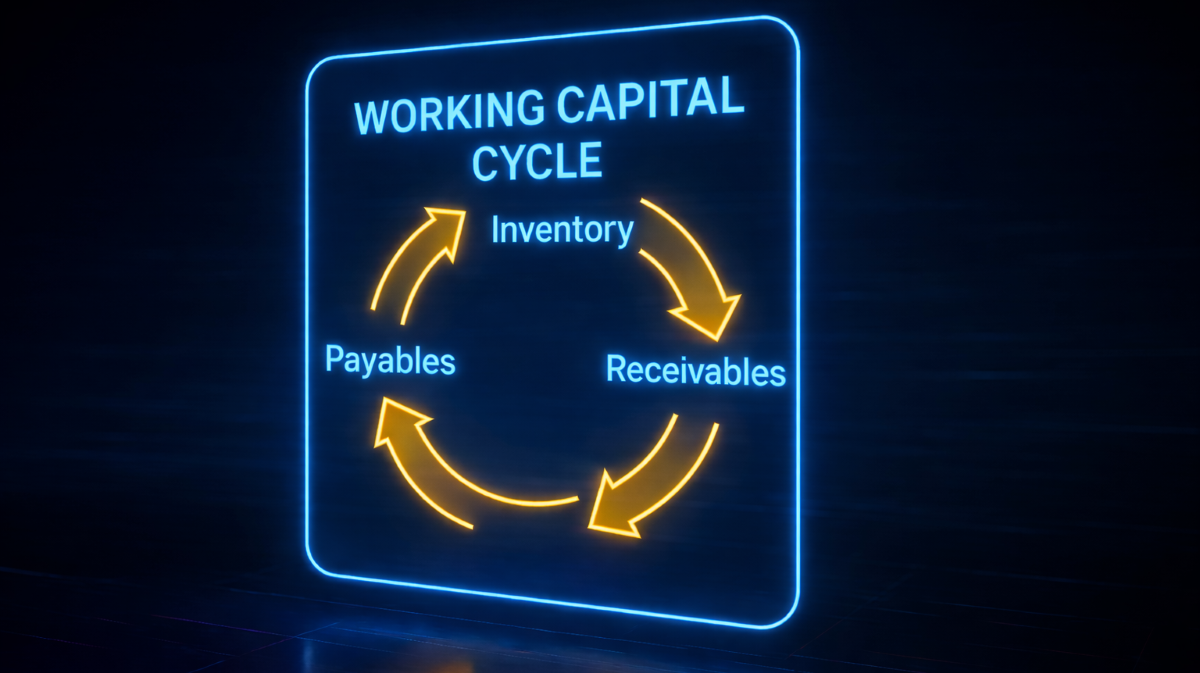
Effective control of net working capital and the proper negotiation of NWC adjustments in an M&A process can increase a company’s sale price by double-digit percentages and protect the seller from costly surprises.

Selling a company step by step – learn how to prepare for the transaction, avoid mistakes, and increase your business value. Discover how to navigate the entire process effectively and stress-free.

Selling a company or attracting an investor requires planning and preparation. A well-structured M&A process increases the chances of a successful transaction and boosts the organization’s value, even if no sale takes place.
- 1
- 2